Buddy Mining — computer vision for mining sites
CrusherBuddy — foreign object detection
It sees the rock bolt.
Then it stops the feeder.
Uncrushable material reaches your primary crusher for one reason: nobody saw it in time. CrusherBuddy watches the apron feeder and halts it before the object gets to the chamber.
The problem
Everything that was never meant to be in the feed
Foreign objects arrive from two directions, and neither is unusual. Both end the same way — a jammed chamber, an unplanned stop, and a crew working at height to clear it.
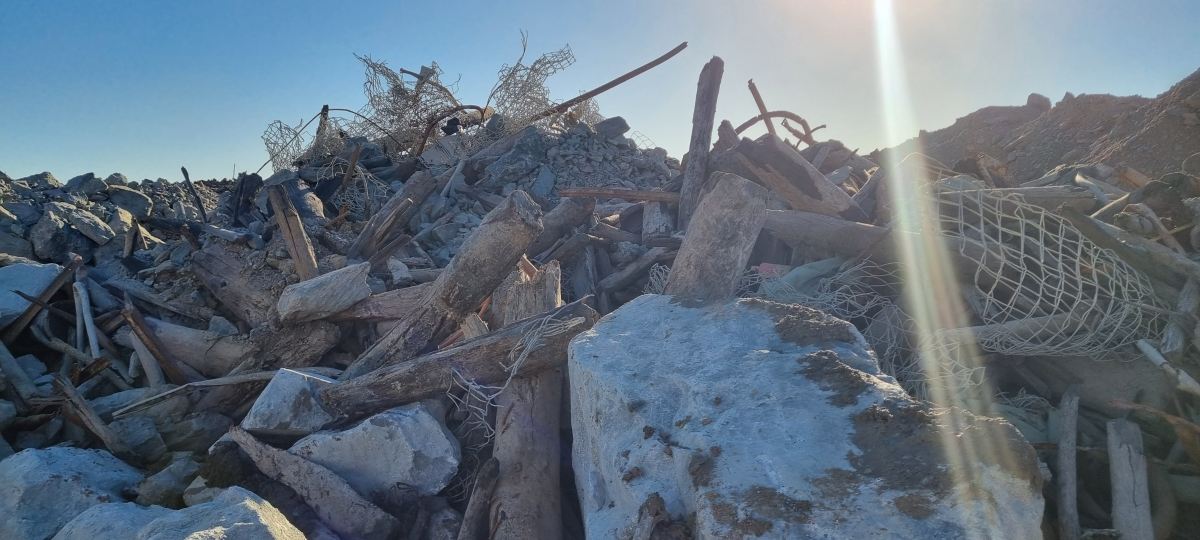
Open pit and old stockpiles
Mostly timber, rail track and assorted debris left behind by historic workings. It sits in the stockpile for years, then arrives at the tip head without warning.
Ground support infrastructure
Rock bolts, mesh and poly pipe pulled through with the ore. Steel that will not break, and plastic that will not burn off.
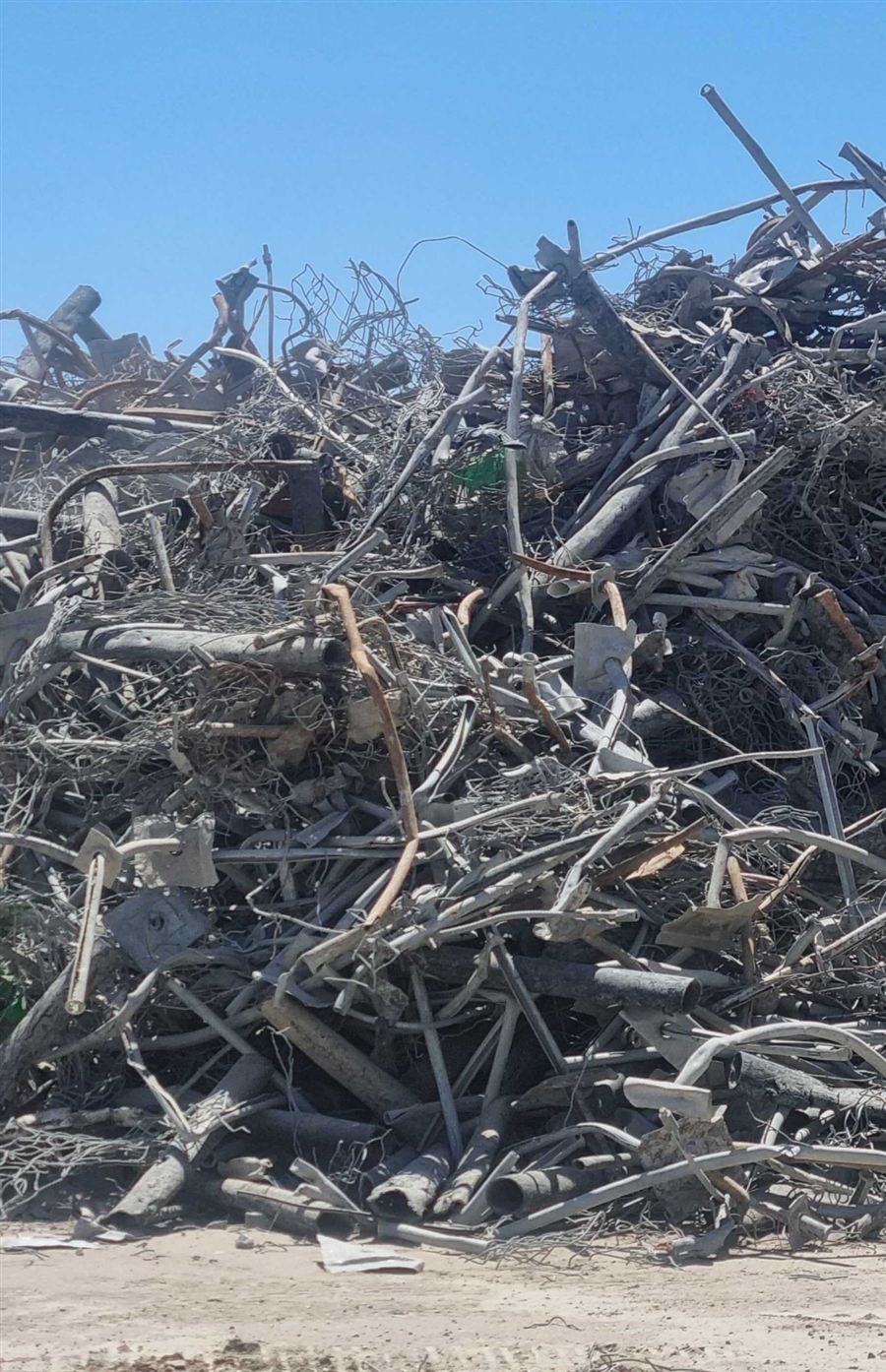
Detected object classes
Where it goes
On the apron feeder, upstream of everything expensive
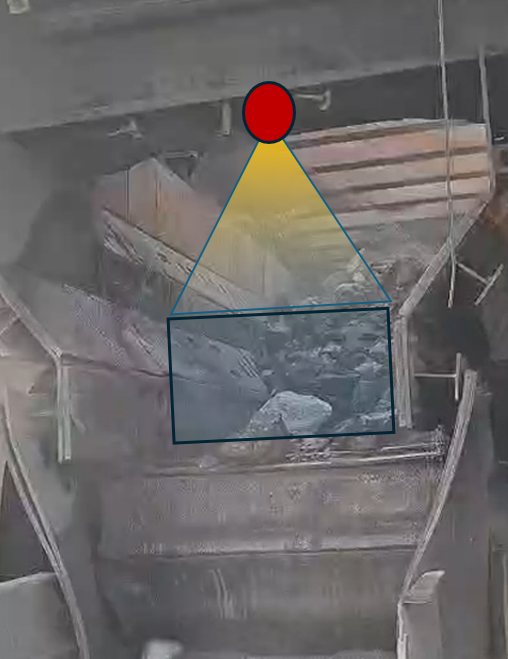
Cameras watch material as it travels along the apron feeder. When a foreign object is identified, the feeder stops and the operator is alerted — with the object still on the pan, not in the chamber.
A second camera can be positioned over the grizzly as a backup, catching anything that makes it past the first.
Most sites already have power and communications at this location, so the installation is usually a matter of leveraging what's there rather than running new infrastructure.
What happens on a detection
- Object identified on the apron feeder
- Feeder stops
- Operator alerted, with the frame that triggered it
- Operator clears the object and restarts the feed
The camera
Specified for the tip head, not the lab
A detection camera built for continuous 24-hour operation in the dust, glare and vibration of a working crusher station.
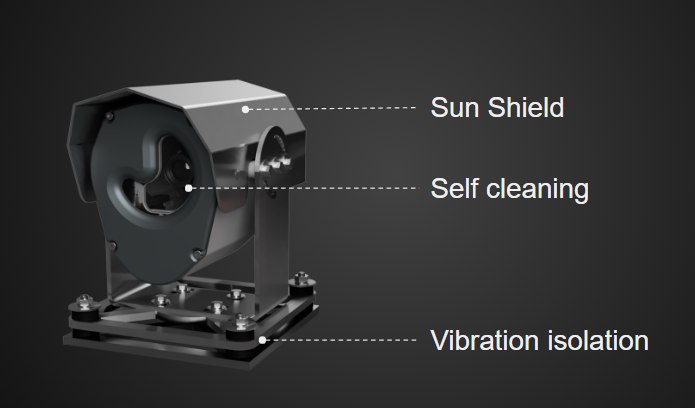
Sun shield
Keeps direct glare off the sensor so detection holds through sunrise and sunset, when low sun sits straight down the feeder.
Self-cleaning
Clears dust from the lens without a person going up there to wipe it. A dirty camera is a blind camera.
Vibration isolation
Mounted to stay stable on a structure that shakes continuously, so the image is sharp enough to classify against.
Operator screen and alarm
A dedicated screen and audible alarm at the control point. The operator makes the call on what happens next.
Direct to mine control
Integrated with your existing control system so the stop is automated, with the event logged alongside the rest of your plant data.
OreBuddy — on-excavator ore/waste classification
Ore and waste, classified bucket by bucket, before it leaves the face
Material gets sorted after the fact — once it's already blended into the wrong stockpile — because nobody had a call to make at the point of extraction. OreBuddy classifies each bucket in real time and puts the result in front of the operator while they can still act on it.
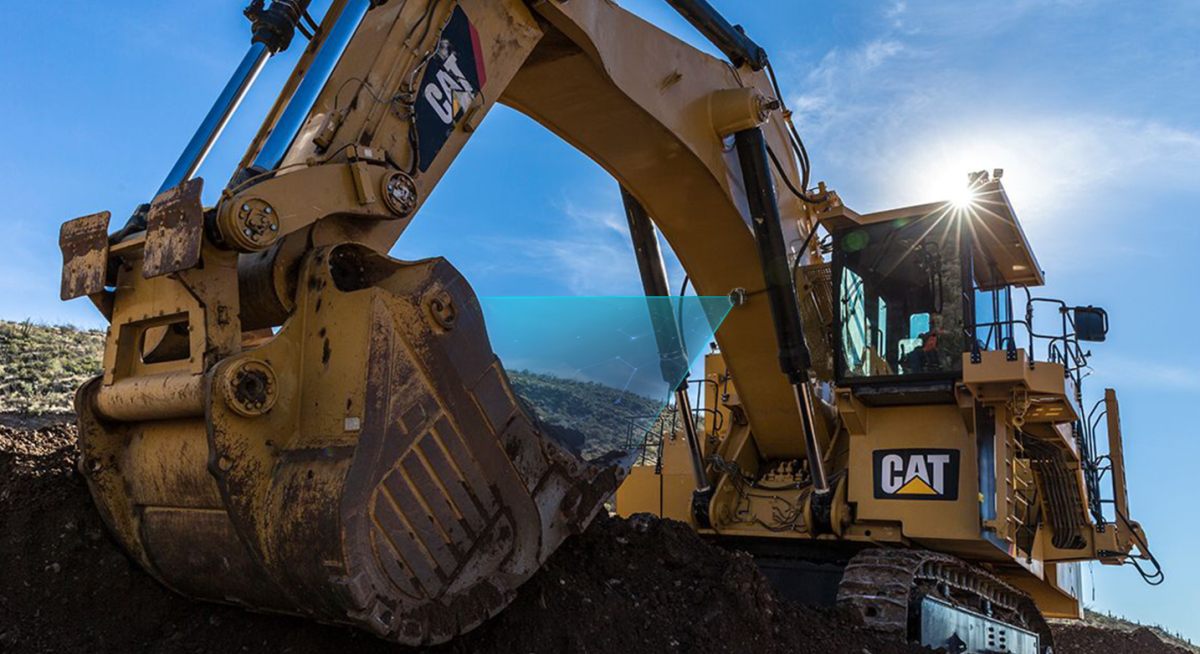
Any digging machine at the face
Camera and processing mount to the machine doing the digging, not a fixed point downstream.
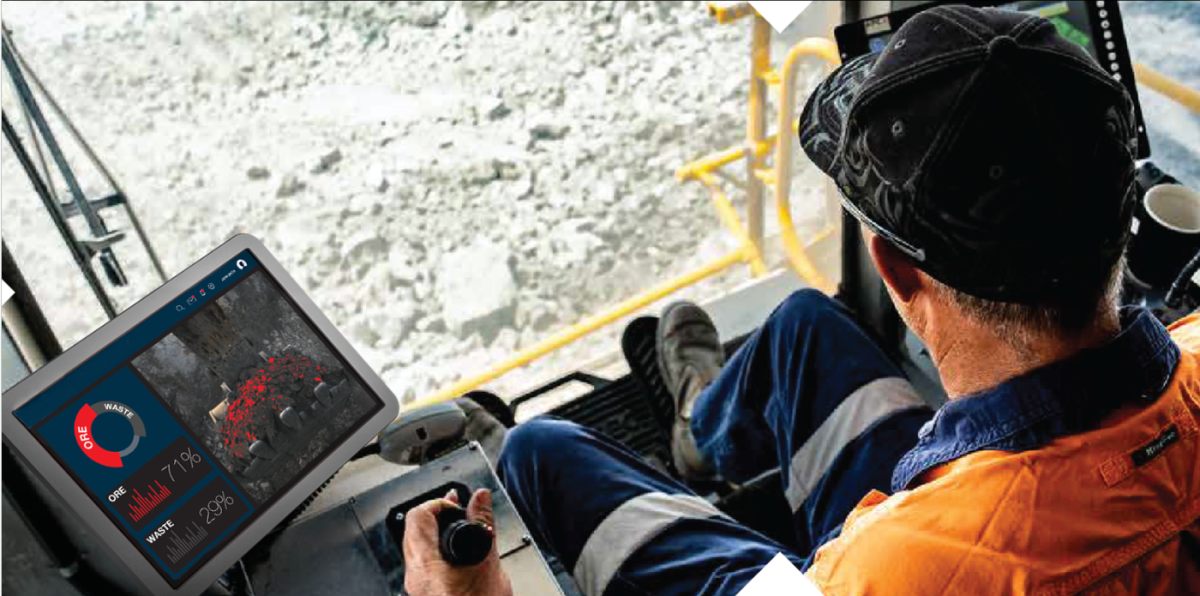
In the cab, not in a report
Image processing runs onboard the excavator. The classification reaches the operator on the in-cab screen in real time, with the underlying data logged to site systems in open formats over the site network.
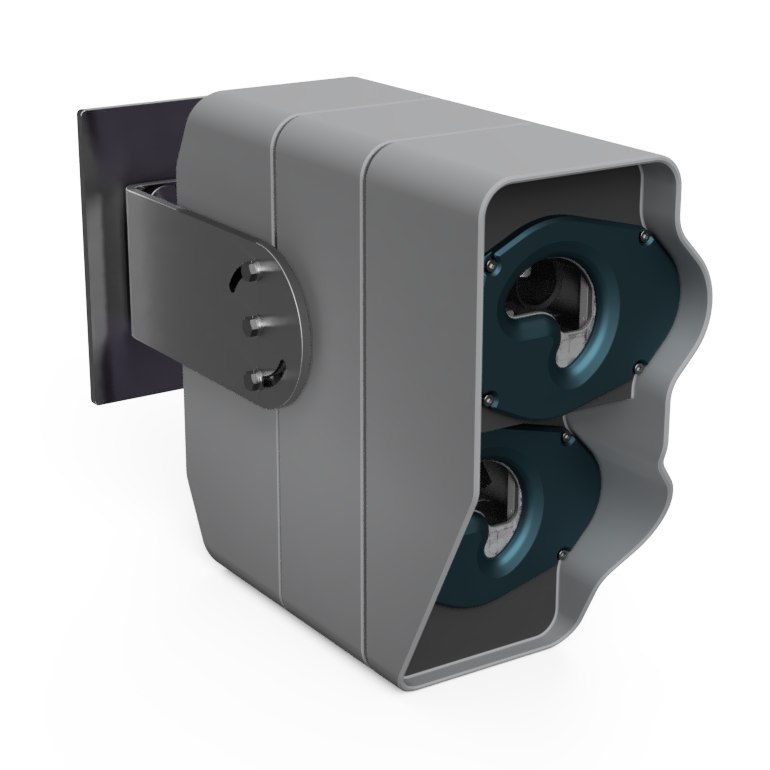
Specified for 24-hour excavator duty
A detection camera built for continuous operation on a working machine, not a lab bench.
OreBuddy is earlier in its development than CrusherBuddy — currently moving through sensor assessment and AI development ahead of its first on-excavator deployment. Talk to us if you want to run your material through an initial sensor assessment.
Who builds it
Robotic Systems, Newcastle
CrusherBuddy and OreBuddy are designed, manufactured and supported in Australia by an accredited hardware engineering company — not assembled from someone else's reference design.
ISO 9001:2015 certified for prototype development and manufacturing.
Registered Research Services Provider with the Australian Government.
Computer vision, machine learning, control engineering, electronics and mechanical design.
Maryville, Newcastle NSW. Office hours 6:00am–2:30pm AEST, Monday to Friday.